
Introduction
Jehovah Witnesses are a distinct religious group known worldwide for their unique beliefs, strict moral code, and active evangelism. Understanding the Jehovah Witness faith requires exploring its history, core beliefs, daily practices, global expansion, controversies, and the experiences of its adherents. With millions of members globally, the faith continues to attract attention both for its spiritual principles and its distinctive approach to religious life.
Origins and History of Jehovah Witnesses
The origins of Jehovah Witnesses date back to the late 19th century in the United States. Charles Taze Russell, a Bible student from Pennsylvania, initiated the movement in the 1870s. Initially known as the Bible Students, Russell and his followers focused on studying scripture, particularly prophecies related to the end times. Over time, the group formally adopted the name “Jehovah’s Witnesses” in 1931 under the leadership of Joseph Franklin Rutherford, emphasizing their mission to bear witness to Jehovah, the name they use for God.
From the beginning, the Jehovah Witness movement was characterized by rigorous Bible study, evangelism, and a commitment to separating themselves from what they viewed as the moral corruption of society. They quickly developed a structured organization, producing literature, conducting meetings, and establishing a governance system through the Watch Tower Bible and Tract Society.

Core Beliefs of Jehovah Witnesses
The theology of Jehovah Witnesses distinguishes them from mainstream Christianity. Their beliefs revolve around the Bible as the ultimate authority for life, morality, and worship. Key aspects include:
- God’s Name: Jehovah Witnesses emphasize using the name Jehovah for God, believing it essential for proper worship.
- Jesus Christ: Jesus is viewed as God’s son, not equal to God, serving as the Messiah who died for humanity’s salvation.
- The Kingdom of God: They believe that God’s Kingdom is a literal government in heaven that will soon replace human rule and bring paradise to Earth.
- Rejection of the Trinity: Jehovah Witnesses consider the Trinity unscriptural and reject the idea that God, Jesus, and the Holy Spirit are co-equal.
- Eschatology: A central focus is the belief that humanity lives in the “last days” and that divine intervention will soon restore the Earth to perfection.
- Moral Conduct: Followers are expected to live by high ethical standards, abstaining from dishonesty, sexual immorality, and violence.
The distinct theology of Jehovah Witnesses influences every aspect of their lives, including worship, social interactions, and engagement with society.
Worship and Practices
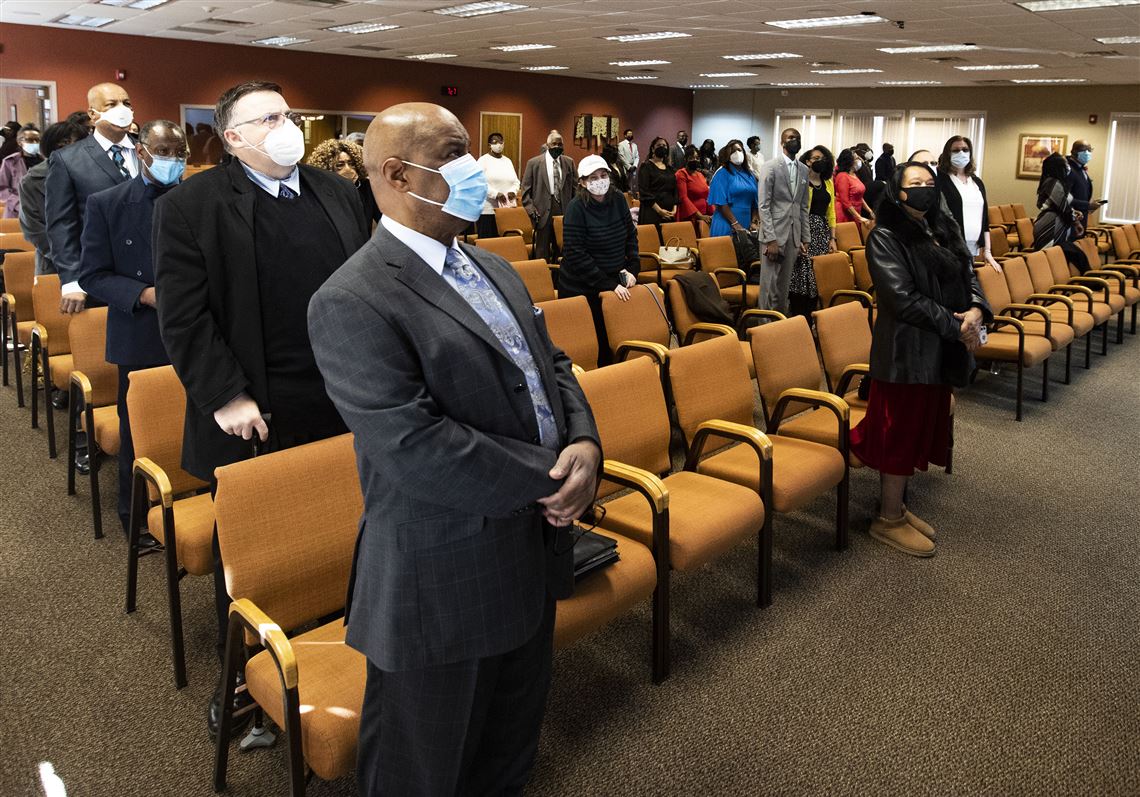
Jehovah Witnesses’ worship practices are structured and community-centered. They meet regularly at Kingdom Halls, their places of worship, for Bible readings, songs, prayers, and teachings. Unlike many Christian denominations, they do not celebrate birthdays, Christmas, Easter, or other religious holidays, believing these celebrations have pagan origins.
Baptism is a significant ritual for Jehovah Witnesses, marking a public dedication to God. Candidates for baptism must demonstrate an understanding of the faith and a willingness to live according to its principles. This dedication often involves extensive personal Bible study and mentoring from experienced members.
A unique feature of Jehovah Witness worship is their emphasis on evangelism. Members are encouraged to share their faith door-to-door, in public places, and through literature such as The Watchtower and Awake! magazines. Evangelism is not just a duty but a central part of being a Jehovah Witness, reflecting their commitment to spreading the teachings of Jehovah worldwide.
Moral and Social Code
Jehovah Witnesses adhere to a strict moral and ethical code that guides personal behavior, family life, and social conduct. Some of the key elements include:
- Honesty and Integrity: Members are expected to uphold truthfulness in all interactions.
- Sexual Morality: Sexual relations are reserved for marriage between a man and a woman. Adultery, premarital sex, and homosexuality are prohibited.
- Nonviolence and Neutrality: Jehovah Witnesses avoid military service, political involvement, and any acts of violence. They also do not salute national flags or participate in patriotic ceremonies.
- Community Discipline: Members who violate key principles may face disfellowshipping, which involves temporary or permanent social separation to encourage repentance.
These rules often create tension between members and broader society, but they also foster a strong sense of community and shared purpose among believers.
Global Expansion
The Jehovah Witness faith has grown far beyond its American origins. Today, there are over eight million active members worldwide, spanning more than 240 countries. Their success in international evangelism can be attributed to:
- Translation of Literature: Jehovah Witnesses publish materials in hundreds of languages to reach diverse populations.
- Organized Outreach: Structured preaching campaigns and conventions help spread their teachings efficiently.
- Community Support: Their tight-knit congregations offer social, emotional, and practical support to members, attracting individuals seeking community and guidance.
The global presence of Jehovah Witnesses demonstrates their ability to adapt to cultural differences while maintaining consistent religious principles.
Key Practices and Beliefs of Jehovah Witnesses
| Practice | Description |
|---|---|
| Worship Meetings | Weekly gatherings at Kingdom Halls with Bible study and prayer |
| Evangelism | Door-to-door ministry and distribution of literature |
| Baptism | Public dedication to God after understanding the faith |
| Moral Code | High standards of honesty, sexual morality, and nonviolence |
| Holidays and Celebrations | No birthdays or traditional holidays due to religious beliefs |
| Political Neutrality | Avoidance of military service, politics, and nationalistic symbols |
| Community Support | Assistance for members in health, education, and social matters |
| Literature | The Watchtower and Awake! magazines for education and outreach |
Controversies and Challenges
The Jehovah Witness faith has faced criticism and legal scrutiny in multiple areas. Some of the most discussed challenges include:
- Medical Restrictions: Jehovah Witnesses refuse blood transfusions, even when medically necessary, based on religious principles.
- Disfellowshipping Practices: Members who are expelled can experience social shunning, which can lead to emotional distress.
- Political Neutrality: Their refusal to engage in military service or political participation has occasionally caused legal challenges in certain countries.
- Child Custody and Education Issues: Courts in some regions have debated whether children raised by Jehovah Witnesses are receiving adequate social and medical care.
Despite these controversies, the faith continues to thrive, largely due to its strong internal organization, international outreach, and the dedication of its members.
Notable Jehovah Witnesses
Several famous individuals have been associated with the faith, highlighting its global cultural presence:
- Prince (Musician): The iconic musician was known for his affiliation with Jehovah Witnesses later in life.
- Serena Williams (Tennis Player): She grew up in a Jehovah Witness household, though her level of practice has varied.
- Michael Jackson (Musician): During his early career, he was raised as a Jehovah Witness.
- Tanya Tucker (Singer): The country singer has spoken about her Jehovah Witness upbringing.
The involvement of such public figures has brought increased attention to the faith while also sparking discussions about personal beliefs versus public life.
Impact on Daily Life
Being a Jehovah Witness influences personal decisions, relationships, and lifestyle. Members often dedicate significant time to Bible study, prayer, and ministry. Family life emphasizes shared faith practices, and social interactions are frequently shaped by adherence to moral and ethical guidelines.
Many members find a deep sense of purpose and community within the faith. However, adherence also requires sacrifices, including abstaining from mainstream celebrations, certain medical treatments, and political participation. These sacrifices can lead to both admiration and misunderstanding from outsiders.
Education and Youth Programs
Jehovah Witnesses encourage education in moral and spiritual principles alongside secular learning. Youth programs, including Bible schools and educational seminars, provide training in public speaking, preaching, and understanding scripture. These programs are designed to cultivate leadership, confidence, and a strong sense of religious identity from a young age.
Conclusion
The Jehovah Witness faith represents a unique, globally influential religious movement. With roots in 19th-century Bible study groups, it has grown into a structured organization with millions of adherents worldwide. Its teachings emphasize the worship of Jehovah, adherence to moral codes, and active evangelism, while its strict guidelines often create challenges in interacting with broader society.
By exploring the history, beliefs, practices, and global impact of Jehovah Witnesses, one gains a deeper understanding of a faith that continues to shape lives, communities, and culture around the world. For anyone studying religious movements, the Jehovah Witness faith stands as a compelling example of devotion, organization, and influence in the modern world.
Read More:- Jehovah Witness Beliefs: Core Teachings, Practices, and Faith Insights