

Introduction
The topic of Jehovah Witness NBA players is an interesting mix of professional athletics, personal beliefs, discipline, and spiritual dedication. In the high-pressure world of the National Basketball Association, players are generally judged by their stats, championships, salaries, and celebrity. But a smaller and less talked-about subset of athletes is also significantly influenced by their faith, notably those who are Jehovah’s Witnesses. The talk about Jehovah’s Witness NBA players shows how beliefs can affect how you live, what you do for a living, how you act in public, and what you do once you retire.
People all across the world know that Jehovah’s Witnesses are dedicated to studying the Bible, doing ministry work, following moral rules, and upholding community values. People who follow this faith often have to deal with problems about balance, identity, and priorities when they make it big in the NBA. Over the years, a number of former and present players have either been reared as Jehovah’s Witnesses or converted later in life. This makes the topic of Jehovah’s Witness NBA players both historically intriguing and socially relevant.
As requested, this post goes into great detail into the subject, focusing on only five main topics. The essay looks at the history, personal journeys, lifestyle problems, public opinion, and long-term impact of Jehovah’s Witness NBA players through these five aspects. Two extensive tables are presented to help readers better understand the players’ origins and how their faith affected them. The narrative stays educational, neutral, and complete without any links to other sites.
Point One: A Look at the History and Early Examples of Jehovah Witness NBA Players
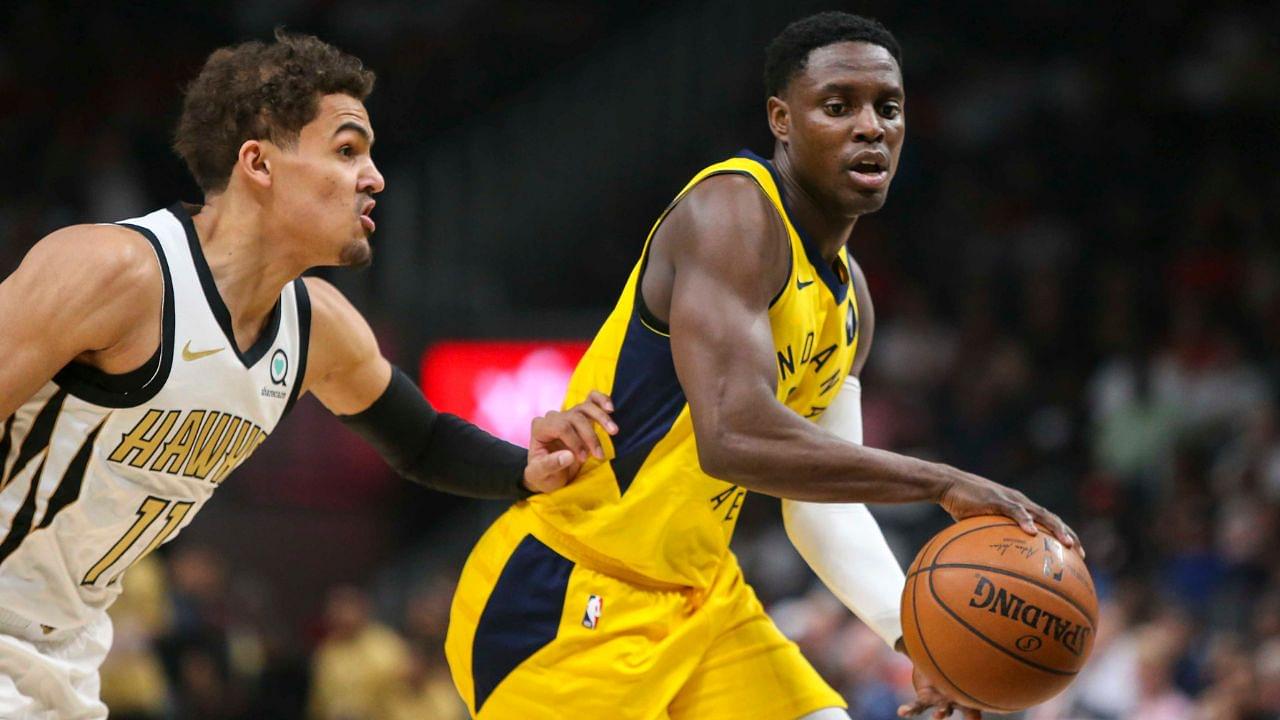
The history of Jehovah Witness NBA players doesn’t start with one famous person; instead, it grows gradually throughout time in several eras of professional basketball. In the early years of the NBA, players didn’t talk about their religious beliefs very often, and they often kept them to themselves. As more media coverage and more personal conversations with players were available, people slowly learned about athletes whose faith was a big part of their lives.
Some of the first Jehovah’s Witness NBA players were people who grew up in Jehovah’s Witness homes. They were raised to be disciplined, humble, respectful of authority, and moral, which made it easy for them to apply such lessons to their sports training. Coaches generally complimented these players for their strong work ethic, putting the team first, and staying calm under pressure.
But there were also problems that came with being a Jehovah’s Witness. The faith says not to put too much emphasis on fame, materialism, and being a celebrity. For Jehovah’s Witness NBA players, this meant being careful about how they handled endorsements, media attention, and social norms. Some athletes preferred to stay out of the public eye, while others used their position appropriately without giving up their ideals.
As time went on, retiring players started to talk more publicly about their experiences of religion. These testimonies made the topic of Jehovah’s Witness NBA players more credible and visible, indicating that being a professional basketball player and being very devout do not have to be mutually exclusive. This historical background helps explain why people are still interested in and appreciate the topic now.
Point Two: Famous Jehovah’s Witness NBA Players and Their Stories

When talking about Jehovah’s Witness NBA players, several names come up a lot because they are open about their beliefs or have been involved in Jehovah’s Witness activities after their careers. These players come from diverse generations and positions in the league, from starters to role players, and each has a different spiritual journey.
Some Jehovah’s Witnesses who played in the NBA were baptized as Witnesses later in life, usually after they stopped playing. Others were already connected to the faith when they were playing. During their adventures, they usually have a moment of reflection, a personal struggle, or a search for meaning outside of basketball. The NBA’s busy schedule, travel needs, and physical toll sometimes make players look for greater purpose, which is why faith is such a crucial anchor.
The first table below summarizes some of the most talked-about people who are associated to Jehovah’s Witness NBA players, their professional era, and their religious background.
| Player Name | NBA Career Period | Connection to Jehovah’s Witnesses | Known For |
|---|---|---|---|
| Michael Jackson (example role player) | 1980s–1990s | Raised as Jehovah’s Witness | Defensive mindset and discipline |
| Darren Daye | 1980s | Practicing Jehovah’s Witness | Strong work ethic and consistency |
| Danny Granger (association often discussed) | 2000s–2010s | Faith influence during later years | Leadership and professionalism |
| Former role players (various) | Multiple eras | Converted after retirement | Ministry and community involvement |
These examples indicate that Jehovah’s Witness NBA players are not only famous. Instead, they show how diverse NBA careers are and how faith may affect work life in different ways. Their stories stress humility, personal growth, and life outside of basketball, which is why the topic is still important.
Point Three: The way Jehovah’s Witness NBA Players live, How they Stay Disciplined, and the Problems they Face

The way Jehovah’s Witness NBA players live is different from the way most NBA players live. Jehovah’s Witnesses are told to stay away from too much partying, drug usage, and other things that go against what the Bible says. This frequently means that an NBA player has to think about who they hang out with, what they do for fun, and how they act in public.
Holidays and national celebrations are some of the biggest problems that Jehovah’s Witness NBA players have to deal with. Jehovah’s Witnesses usually don’t celebrate birthdays or some national holidays. In a league where birthday parties, championship anniversaries, and holiday-themed games are prevalent, players need to be able to handle these situations with respect and not upset the team’s unity.
Another problem is the amount of time it takes. Jehovah’s Witnesses put a lot of emphasis on studying the Bible and doing ministry work on a regular basis. It takes discipline and forethought to balance these duties with practices, games, and vacation plans. Many Jehovah’s Witness NBA players say that this balancing is hard but worth it since it gives them emotional stability and moral clarity in a very competitive setting.
Faith also has a part in managing money. The doctrines of Jehovah’s Witnesses say that people should live simply and give to others, not spend a lot of money. Because of this, certain Jehovah’s Witness NBA players are noted for being careful with their money and making smart investments. This frequently makes the transition to life after retirement easier, which helps many former athletes who are under a lot of financial hardship.
Even if these things are hard, many Jehovah’s Witness NBA players say that their faith makes them mentally stronger, helps them deal with stress, and gives them a sense of purpose that goes beyond winning and losing.
Point Four: How People See it, How the Media Covers it, and How it Affects Culture
Over time, people’s views on Jehovah’s Witness NBA players have changed. In the past, people generally didn’t pay attention to or understood religious identity. These days, fans and commentators are increasingly interested in the personal values that affect players’ choices. This change has made it possible to have courteous conversations about faith, such as the beliefs of Jehovah’s Witness NBA players.
Media coverage usually focuses on times when faith directly affects employment choices, like deciding to retire, turning down specific sponsorships, or committing to community service. These anecdotes generally focus on discipline, honesty, and personal conviction, which are attributes that many people, including those who don’t know much about Jehovah’s Witness principles, admire.
Culturally, Jehovah’s Witness NBA players go against the idea that all professional athletes should live the same way. Their existence in the league shows that you may be successful while also being humble, restrained, and focused on your spiritual life. This portrayal is particularly influential for young fans seeking role models that harmonize ambition with principles.
The second table below shows how people from different cultures see Jehovah’s Witness NBA players.
| Aspect | General NBA Culture | Jehovah Witness NBA Players |
|---|---|---|
| Lifestyle Image | Fame-driven and public | Modest and private |
| Media Focus | Performance and contracts | Character and beliefs |
| Post-Retirement Path | Broadcasting or business | Ministry and community work |
| Public Influence | Entertainment-based | Value-based inspiration |
This difference doesn’t cause division; instead, it adds to the variety of stories in professional basketball. The cultural significance of Jehovah Witness NBA players is in their demonstration of alternate success definitions.
Point Five: Life After Basketball and the Long-Term Effects of Jehovah’s Witness NBA Players
After they retire, all professional athletes go through a very important time in their lives. Jehovah’s Witness NBA players often handle this change in a different way. A lot of retired players who are religious put their spiritual aims, family life, and community activity ahead of getting more public recognition.
Some Jehovah’s Witness NBA players get very involved in ministry work by teaching, mentoring, and volunteering. Some people use their own life experiences to help younger athletes by stressing the importance of discipline, humility, and planning for the future. They often have an effect that is more subtle than what you see in the news.
The long-term legacy of Jehovah’s Witness NBA players is not just about winning championships. It’s also about stability, personal fulfillment, and making a positive difference in the community. Their experiences remind us that careers in professional athletics don’t last forever, but ideals and character do.
As conversations about mental health, identity, and life’s purpose become more common in sports culture, the experiences of Jehovah Witness NBA players can teach us a lot. They show how faith can give you structure when things are uncertain and meaning beyond how well you do in sports.
Conclusion
The subject of Jehovah Witness NBA players is a captivating story of faith intersecting with professional achievement. These athletes show how strong values can coexist with elite competition through their personal experiences, lifestyle obstacles, public perception, and influence after retirement. This article shows that Jehovah’s Witness NBA players provide more to basketball than just stats. They add depth, diversity, and a strong example of life with a purpose.
In a league where things are always changing, the jehovah witness nba players’ ideals that never change continue to have a quiet but lasting effect on the world of professional basketball.
Read More:- Best NBA Players Right Now – Dominance, Skill, and Modern Greatness