
Introduction
The connection between faith and professional athletics is interesting and distinctive, especially when it comes to ex-NBA Jehovah Witness athletes. The NBA has a lot of games, gets a lot of attention from people all over the world, and is quite competitive. This can be good and bad for athletes who are very religious. For an ex-NBA Jehovah’s Witness, getting in and out of the league is affected by more than just skill and discipline. Their strong religion also plays a role. This article talks about the lives, hardships, and inspiring experiences of former NBA Jehovah Witness players, focusing on how they matched their spiritual dedication with their basketball careers.
Getting to Know Jehovah’s Witnesses and What They Believe
The Jehovah’s Witnesses are a Christian-based religious group with unique beliefs and rituals. Their faith is based on studying the Bible, going to meetings regularly, evangelizing, and following stringent moral norms. Jehovah’s Witnesses don’t celebrate birthdays or other festivals, don’t accept blood transfusions, and don’t take sides in political issues. This stringent rule can have a big effect on professional sportsmen.
For a former NBA Jehovah’s Witness, these religious practices typically have an effect on their sporting careers, both big and small. Travel schedules, food limitations, and expectations for how players should act can all be problems for professional basketball players. Learning about these factors can help you understand how faith affects choices made during and after an NBA career.
Problems that former NBA Jehovah’s Witness players had to deal with
As a former NBA Jehovah’s Witness, you have to deal with a lot of problems in your life. First, the busy schedule of professional basketball players often gets in the way of their religious duties. Players often have to fly across time zones, play games late at night, and go through tough practice periods that can happen at the same time as religious services or personal study times. Following Jehovah Witness rules strictly can take a lot of forethought and self-control.
Also, the league’s social norms can make things harder. The culture of the NBA is typically full with celebrities, media attention, and networking activities, some of which may go against the beliefs of Jehovah’s Witnesses. For former NBA Jehovah’s Witness players, staying true to themselves and not giving in to peer pressure demands a strong spiritual commitment and a community that supports them.
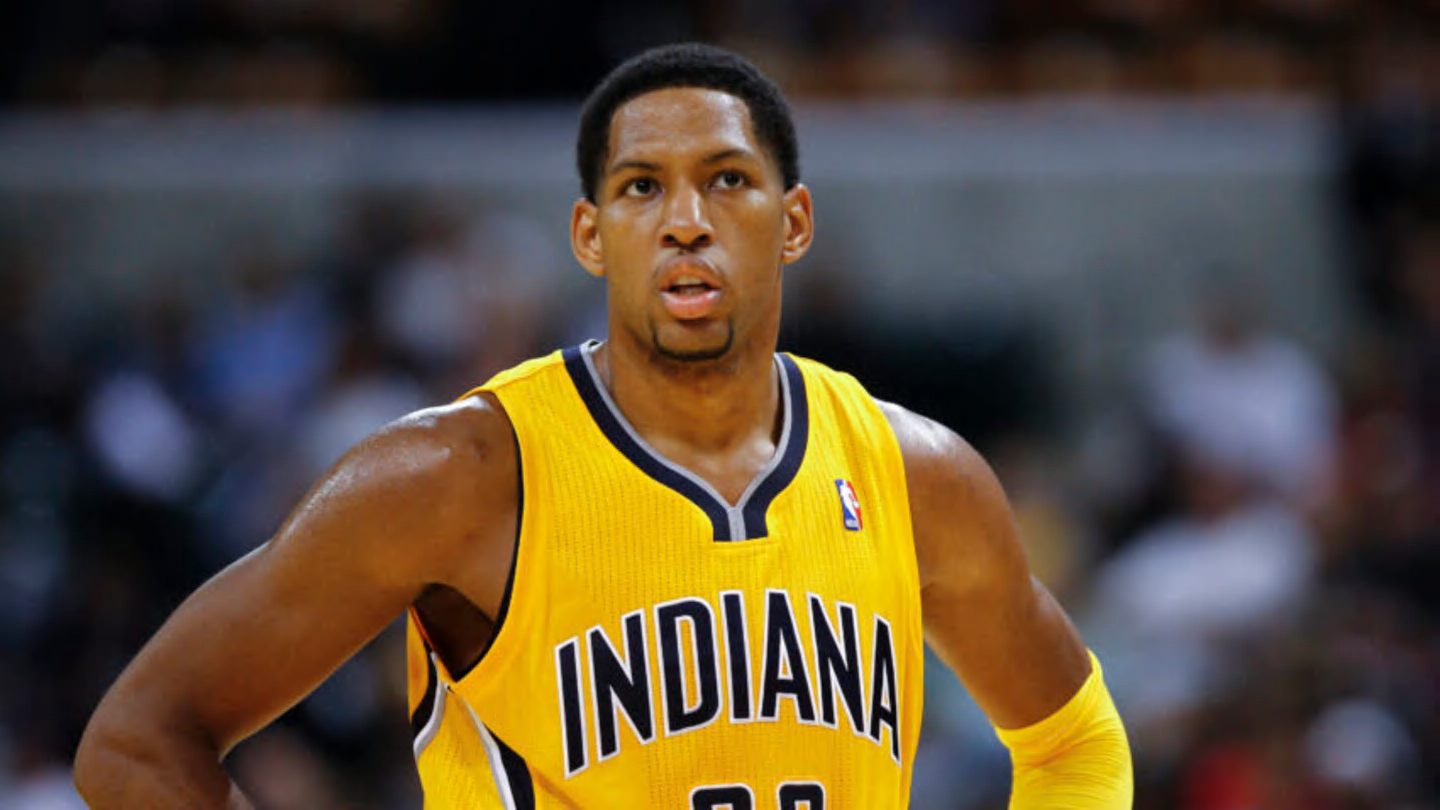
Famous Ex-NBA Players Who Are Jehovah’s Witnesses
Over the years, a number of NBA players have openly said they were Jehovah’s Witnesses or were recognized for their religious beliefs. Their careers show how faith and professional athletics may work together in real life.
1. Jayson Williams – Williams is an example of an ex-NBA Jehovah’s Witness who was able to handle the stresses of professional athletics while being true to his religious beliefs. He was known for both his skill on the court and his faith-based way of life.
2. Paul George (early in his career) – George is well known for his athletic accomplishments, but he also grew up learning about Jehovah’s Witnesses. The faith has given him discipline and a moral framework that have affected both his personal and professional life.
3. Tyson Chandler—Chandler’s beliefs as a Jehovah’s Witness affected how he worked with others, how humble he was, and how he acted in public, earning him respect from both fans and peers.
These players show that faith and high-level sports can go hand in hand, even when personal problems come up. Anyone who wants to balance their religious duties with a busy job will find their experiences encouraging.
What Jehovah’s Witnesses Do After the NBA
It can be hard for any athlete to retire from professional basketball, but for former NBA Jehovah Witness players, the change is generally linked to spiritual introspection. After basketball, people may want to engage in ministry, mentor younger players, or do community service through religious programs.
Former NBA players who are Jehovah’s Witnesses typically find that their faith gives them stability and meaning throughout this time of change. The disciplined lifestyle that Jehovah’s Witnesses promote, which includes regular meetings, Bible study, and community service, can help you stay focused and fulfilled once you retire.
Finding a balance between faith and public life
It’s always hard for former NBA Jehovah’s Witness players to be in the public eye. It takes skill and care to keep your personal ideas and the public’s interest in check. Sometimes, the principles of Jehovah’s Witnesses clash with what the media says, what fans expect, and what people say on social media. Players frequently deal with these challenges by setting limits, staying true to their beliefs, and putting their spiritual health ahead of getting public fame.
A lot of former NBA players who are Jehovah’s Witnesses also use their fame to encourage others by telling stories of strength, discipline, and moral conviction. This person is both a public figure and a passionate believer, which shows that they could have a great impact on both athletics and society.

Lessons from Ex-NBA Jehovah’s Witness Players That Will Inspire You
The stories of former NBA Jehovah’s Witness players teach us a lot about how to be disciplined, stick with something, and be honest. They show that you don’t have to give up your principles to be successful by sticking to them while competing at the top level.
Some of the most important lessons are:
- Discipline: To be both a good professional and a good spiritual person, you need a lot of discipline. This is shown by following rigid training schedules and being devoted to your beliefs.
- Integrity: Former NBA players who are Jehovah’s Witnesses always put moral values ahead of short-term rewards or celebrity.
- Community Support: People in their religious communities can get help, advice, and a sense of belonging from strong support networks.
- flexibility: Balancing NBA life with spiritual needs builds resilience and flexibility, which are important skills for dealing with problems on and off the court.
These teachings apply to more than just sports; they can help anyone who wants to combine their personal values with their business aspirations.
Statistical Perspective: Career and Faith
| Player Name | NBA Tenure | Faith Affiliation | Post-Career Focus |
|---|---|---|---|
| Jayson Williams | 1992–2000 | Jehovah Witness | Community work, faith advocacy |
| Tyson Chandler | 2001–2020 | Jehovah Witness | Mentorship, family involvement |
| Paul George | 2010–2025 | Early Jehovah Witness upbringing | Philanthropy, sports mentorship |
This table shows how faith affects the careers and lives after retirement of former NBA Jehovah’s Witness players. It shows how belief and work life are connected.
What Community and Support Do
Former NBA players who are Jehovah’s Witnesses typically say that their communities help them keep their religion. Regular meetings, study groups, and spiritual therapy can help people with their morals and emotions. These networks also assist athletes deal with career changes, public scrutiny, and personal problems, which shows how important community is for both professional and spiritual success.
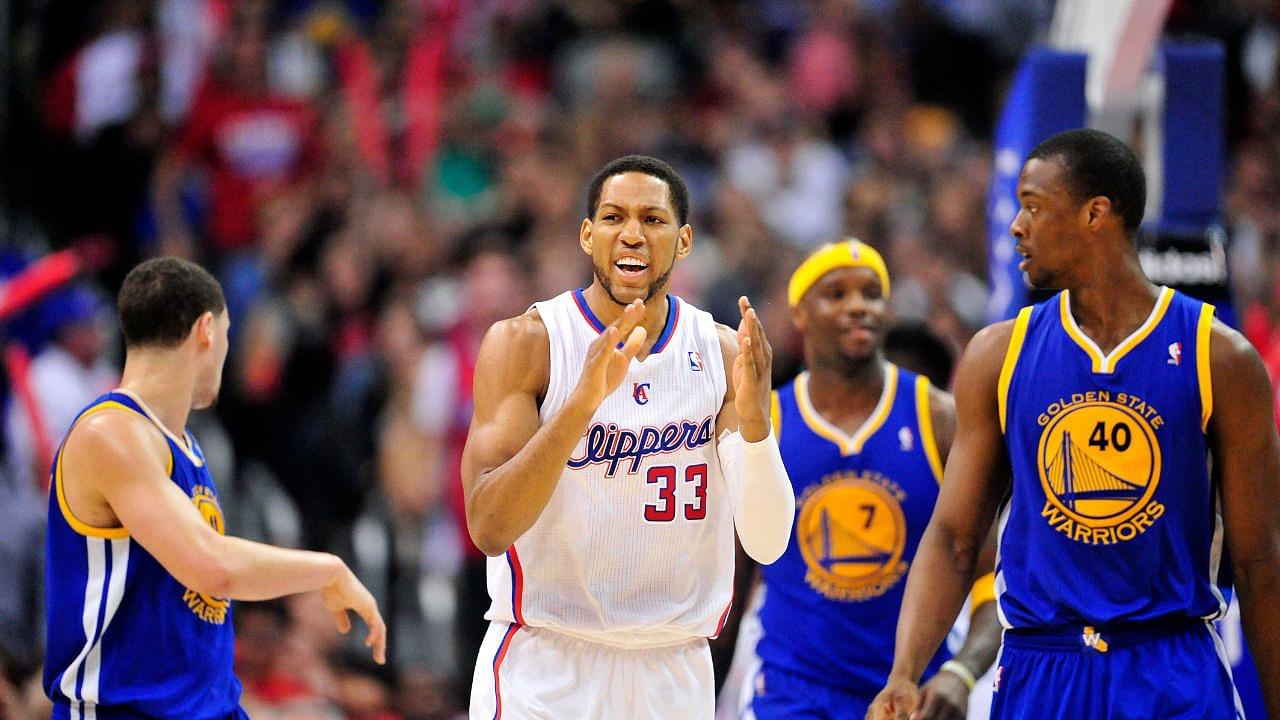
Problems in the NBA Today
Faith can give you strength, but it can also be hard to deal with amid the changing culture of the NBA. The league’s focus on branding, endorsements, and getting people involved can often go against the beliefs of Jehovah’s Witnesses. To be true to their values, players may have to turn down some chances, skip some social occasions, or be careful about how they deal with the media. This precise balance shows how brave and dedicated you have to be to keep your religion in a high-pressure, high-profile setting.
Daily Life and Spiritual Practices
Former NBA players who are Jehovah’s Witnesses generally include spiritual activities in their daily lives, no matter where they are in their careers. This includes reading the Bible, praying, and going to church gatherings. These kinds of activities not only strengthen moral principles, but they also help you think clearly, deal with stress, and find meaning in your life, which may be very helpful in high-stress jobs like professional basketball.
Conclusion
Former NBA players who are Jehovah’s Witnesses show how faith and professional athletics can be complicated but also encouraging. They show discipline, integrity, and resilience by sticking to their spiritual values while trying to be the best on the basketball floor. Their experiences show how important community, moral guidance, and personal conviction are for dealing with the problems that come with high-profile jobs. These guys offer a unique view on how faith may affect not only a profession but also a fulfilling life after sports for both aspiring athletes and viewers.
The stories of former NBA Jehovah’s Witness players show us that success may mean different things to different people. Not just trophies and awards count, but also the capacity to live by strong beliefs, motivate others, and make a difference on and off the court.
Read More:- What Is a Jehovah Witness? Complete Guide to Their Beliefs & Practices